Health & Fitness4.8 out of 5
Headspace
Struggling to manage daily stress and anxiety? We review how Headspace uses guided mindfulness and meditation to help you build a consistent, medication-free wellness routine.
Quick answer
If you are struggling to manage daily stress and anxiety without medication, Headspace provides structured, guided mindfulness training to help you build a sustainable mental wellness routine. By offering accessible meditation, breathing exercises, and sleep support, the app serves as a digital coach for those seeking to quiet racing thoughts and improve emotional regulation.
How to Manage Daily Stress and Anxiety with Headspace
When daily pressures lead to persistent stress or anxiety, finding an accessible, non-pharmacological way to calm the nervous system is essential. For many, the hurdle is not knowing how to begin mindfulness or lacking the discipline to maintain it. Headspace addresses this by functioning as a digital mindfulness coach, transforming abstract wellness goals into a structured, daily habit. It delivers guided meditations, focused breathing exercises, and sleep-oriented content designed to lower cortisol levels and provide immediate relief from racing thoughts.
Why is Headspace a solution for stress and anxiety?
Headspace acts as a low-friction entry point for individuals who need immediate tools to navigate stress but may not have the time or background for traditional, unguided meditation. The app utilizes a "coaching" model, where users are walked through sessions by a narrator. This eliminates the intimidation factor often associated with meditation. By breaking content into short, manageable blocks—ranging from three to twenty minutes—it allows users to integrate mental health maintenance into busy schedules, such as during a commute, a work break, or right before bed. It essentially externalizes the discipline required to pause, breathe, and reset, making the process objective and repeatable.
Who is this solution for?
This app is primarily designed for:
- Busy Professionals: Those who experience high-pressure environments and need quick, effective methods to de-escalate during or after the workday.
- Mindfulness Beginners: Individuals who have never meditated and require step-by-step instruction rather than silent timers.
- Sleep-Deprived Individuals: People whose anxiety manifests as difficulty falling or staying asleep, and who require auditory guidance to settle the mind.
- Wellness Seekers: Those who want a structured, research-backed supplement to their existing health routine but are not looking for clinical psychiatric treatment.
When does this solution fit your routine?
Headspace is most effective when used as a proactive, daily maintenance tool rather than a reactive "emergency" measure. It fits best when you commit to a specific time of day—such as the first ten minutes of your morning or the period immediately after finishing work. It excels in "micro-moments," such as using a single-session "SOS" meditation before a difficult meeting or an anxiety-inducing social event. Furthermore, for those motivated by progress, the app’s gamification features—which include streak tracking and "mindful minutes" counts—help anchor the behavior, turning a sporadic effort into a reliable, long-term habit.
When is Headspace not the right solution?
It is vital to distinguish between general stress management and clinical intervention. Headspace is not a substitute for therapy or psychiatric care. If you are experiencing symptoms of severe anxiety disorders, clinical depression, or PTSD, this app cannot diagnose or treat these conditions. It is not designed to replace medication prescribed by a physician. Additionally, Headspace may not be suitable for experienced meditators. Those who prefer silent, timer-based, or non-curated practices often find the app’s heavily guided, personality-driven narration distracting or overly restrictive. If you are looking for total autonomy in your practice rather than a structured curriculum, the platform’s interface may feel cumbersome.
How to set up and use Headspace effectively
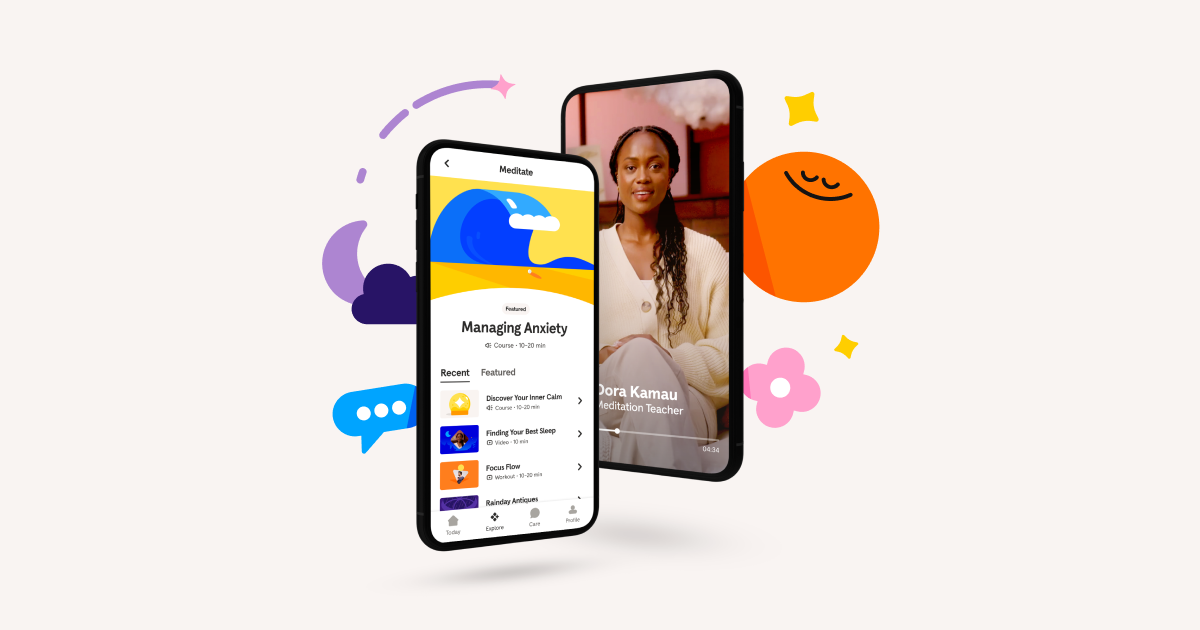
Getting started requires downloading the app and identifying your primary goal: stress reduction, focus, or sleep. Upon initial setup, the app guides you through the basics of mindfulness, ensuring you understand the mechanics of the exercises before moving into more advanced courses. To derive the most value, prioritize the "Everyday Headspace" feature, which updates daily. This prevents decision fatigue, as you do not need to hunt for the "right" meditation. The interface is purposefully designed with a calm, non-clinical aesthetic using soft animations, which helps lower the psychological barrier to opening the app. Most sessions can be downloaded for offline use, making it a reliable tool for travel or environments where connectivity is limited.
Notable strengths and meaningful limitations
Headspace’s primary strength is the research-backed quality of its content. Unlike many wellness apps that rely on generic advice, Headspace’s content has been featured in peer-reviewed studies regarding its efficacy in stress reduction and focus improvement. The "Sleepcasts"—audio stories designed to distract the mind from ruminating thoughts—are widely considered a standout feature for those with nighttime restlessness. However, the "app cemetery" effect is a common limitation; many users download the app, use it for a few days, and then abandon it. The subscription model requires consistent usage to provide long-term return on investment. Furthermore, while the app is expanding into corporate and clinical partnerships, the standard consumer version remains a self-guided tool. It does not provide personalized, adaptive treatment plans that evolve based on your changing psychological state.
Pricing and verdict
As of September 2026, Headspace operates on a subscription-only model. Users can typically expect a monthly subscription to be approximately $12.99, or an annual plan priced around $69.99 to $70.00. While the app offers a limited 7-day free trial to explore the library, there is no permanent, high-functioning free tier. Verdict: Headspace is a highly effective, well-designed investment for individuals looking to build a structured, science-backed habit to manage daily stress. It succeeds because it removes the guesswork from mindfulness. However, potential users must view it as a piece of emotional "hygiene"—comparable to exercise—rather than a curative treatment for clinical mental health issues.
Review last updated